



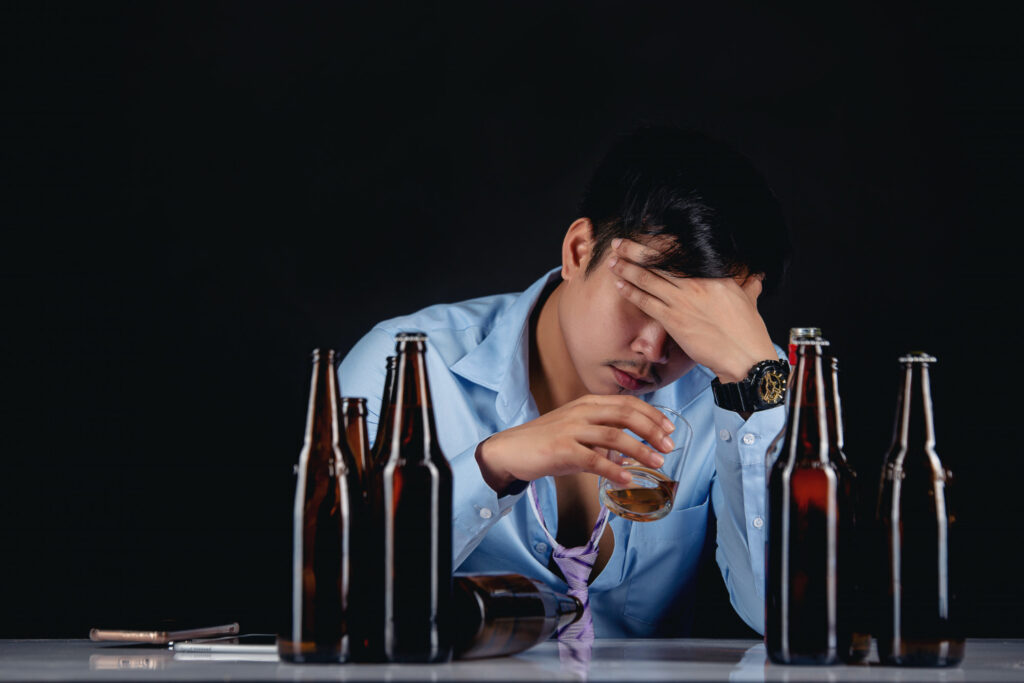

Understanding how long alcohol stays in your system is important for health, driving safety, workplace compliance, medical tests, and responsible drinking. Many people believe that drinking coffee, taking a cold shower, or sleeping for a few hours can remove alcohol from the body faster—but the truth is very different. Your body follows a biological process, and no quick hack can speed it up drastically.
In this detailed guide, we’ll explore exactly how long alcohol remains detectable in your blood, urine, breath, saliva, and hair. We’ll also cover metabolism rates, major factors affecting alcohol breakdown, testing timeframes, myths, tips for faster recovery, and more.
What Happens When You Drink Alcohol?
When you consume alcohol, it enters your bloodstream through the stomach and small intestine. From there, the liver processes almost 90% of it. The remaining 10% leaves the body through urine, sweat, and breath.
Alcohol Metabolism Breakdown
Your body follows a predictable process:
- Step 1: Absorption (within 10–20 minutes)
- Step 2: Peak concentration (30–90 minutes)
- Step 3: Metabolism by the liver
- Step 4: Excretion through urine, breath, sweat
The Average Metabolism Rate
The liver processes alcohol at a fixed rate:
- 0.015 BAC (Blood Alcohol Concentration) per hour
- This means:
- If your BAC is 0.08, it takes 5–6 hours to reach zero.
- If your BAC is 0.20, it may take 13–14 hours.
How Long Does Alcohol Stay in Your System? (Detection by Test Type)
Different tests detect alcohol for different durations. Below is the full breakdown.
1. Alcohol in Blood
- Detectable for 12–24 hours
Blood tests show the current level of alcohol in your system. They are usually used in medical emergencies or legal investigations.
2. Alcohol in Breath (Breathalyzer)
- Detectable for 12–24 hours
Breathalyzers are widely used by traffic police and workplaces. They detect ethanol that exits the lungs during breathing.
3. Alcohol in Urine
Urine tests can detect alcohol in two ways:
a. Standard Urine Test
- Detectable for 12–24 hours
b. Advanced Urine Test (EtG Test)
- Detectable for 48–72 hours
- In some heavy drinking cases, up to 80 hours
EtG (Ethyl Glucuronide) remains in your body longer than ethanol, making this test more accurate for detecting recent alcohol use.
4. Alcohol in Saliva
- Detectable for 12–24 hours
Saliva tests are less common but quick and non-invasive.
5. Alcohol in Hair
- Detectable for up to 90 days (3 months)
Hair testing is mostly used in: - Legal cases
- Probation requirements
- Court-ordered testing
It cannot detect one-time drinking but shows long-term patterns.
Alcohol Detection Time Table
| Test Type | Detection Window | Best For |
| Blood | 12–24 hours | Medical, emergency cases |
| Breath | 12–24 hours | Driving checks, police tests |
| Standard Urine | 12–24 hours | Workplace, general screening |
| EtG Urine | 48–80 hours | Accurate recent alcohol use |
| Saliva | 12–24 hours | Fast, non-invasive tests |
| Hair | 90 days | Long-term alcohol monitoring |
Alcohol Detection Trend
Below is a simple visual showing how EtG urine test detection usage has increased from 2020 to 2025 (in percentage of use globally).
H3: H4: Alcohol Test Usage Trend
Year | Test Usage (%)
2020 | ████ 20%
2021 | ██████ 30%
2022 | █████████ 45%
2023 | ███████████ 55%
2024 | █████████████ 65%
2025 | ████████████████ 75%
The rise shows how alcohol monitoring methods are becoming more advanced and widely adopted.
Factors That Affect How Long Alcohol Stays in Your System
Different people metabolize alcohol differently. Here are the key factors.
1. Age
Older adults break down alcohol more slowly because of decreased liver function.
2. Gender
Women naturally metabolize alcohol slower because of:
- Lower levels of alcohol dehydrogenase (enzyme)
- Higher body fat percentage
- Lower water content
3. Weight & Body Type
A person who weighs 90 kg will process alcohol faster than someone weighing 55 kg, simply because they have more body water to dilute alcohol.
4. Food Intake
Drinking alcohol on an empty stomach increases absorption by 20–30%, while eating slows it down.
H3: 5. Alcohol Type & Quantity
- 1 beer (5%)
- 1 glass wine (12%)
- 1 shot whiskey (40%)
All three contain 14 grams of alcohol.
But drinking 4–5 mixed drinks in an hour dramatically increases BAC.
6. Liver Health
Fatty liver, hepatitis, or chronic drinking significantly reduce metabolism capacity.
BAC (Blood Alcohol Concentration) Explained
BAC shows how much alcohol is present in your bloodstream.
H3: Typical BAC Breakdown
- 0.02: Mild relaxation
- 0.05: Reduced decision-making
- 0.08: Legally intoxicated (in many countries)
- 0.15: Loss of balance
- 0.30: Risk of unconsciousness
- 0.40+: Potentially fatal
Common Myths About Alcohol Leaving Your System
Myth 1: Drinking coffee sobers you up
Coffee may make you feel awake, but it does not reduce BAC.
Myth 2: Cold showers make you sober
This shocks the body but doesn’t speed up liver function.
Myth 3: Vomiting removes alcohol
Most alcohol is already absorbed, so vomiting does little.
Myth 4: Water flushes alcohol out faster
Hydration helps recovery but doesn’t eliminate alcohol instantly.
How to Help Your Body Recover Faster
These tips won’t instantly remove alcohol but can help your system function better.
1. Hydrate Properly
Drink 2–3 liters of water after alcohol consumption.
2. Eat Before Drinking
Food slows absorption and reduces BAC spikes.
3. Get Enough Sleep
Your body detoxifies best during rest.
4. Avoid Mixing Drinks
Mixing beer + whiskey + wine raises BAC faster.
5. Take Electrolytes
Electrolytes help restore the body’s balance after alcohol exposure.
When Should You See a Doctor?
Seek medical help if you experience:
- Severe vomiting
- Confusion
- Slow breathing (<8 breaths/min)
- Seizures
- Cold/clammy skin
These are signs of alcohol poisoning, which can be life-threatening.
Final Summary
Alcohol typically stays in your system for:
- 12–24 hours (blood, breath, saliva)
- 24–80 hours (urine EtG test)
- 90 days (hair test)
But metabolism varies depending on age, gender, weight, liver health, and drinking habits. Understanding these timelines helps you make informed and safe decisions.
FAQs
1: Can you speed up alcohol metabolism?
No, you cannot significantly speed up alcohol metabolism. The liver breaks down alcohol at a fixed rate of 0.015 BAC per hour. Drinking coffee, taking showers, or exercising may temporarily make you feel alert, but they do not reduce alcohol levels. Hydration, electrolytes, and rest only support recovery, not elimination.
2: How long after drinking is it safe to drive?
It depends on how much you drink. If your BAC reaches 0.08, your body needs around 5–6 hours to become sober. For heavy drinking, it may take 10–12 hours or more. The safest practice is to avoid driving until the next morning or use a personal breathalyzer for safety.
3: How long does alcohol stay in urine for testing?
Standard urine tests detect alcohol for 12–24 hours. However, EtG (Ethyl Glucuronide) tests detect alcohol for 48–72 hours, and in heavy drinking cases up to 80 hours. EtG tests are more reliable for identifying recent alcohol use.
4: Can alcohol stay in your hair for 3 months?
Yes. Hair follicle tests detect alcohol consumption for up to 90 days. They don’t show one-time drinking but reveal long-term drinking patterns. This test is commonly used in legal, workplace, and court-ordered programs because it provides a long-term history.
5: Does drinking water remove alcohol faster?
No, water cannot remove alcohol instantly. It helps reduce dehydration and hangover symptoms, making you feel better. But elimination still depends on liver function. Drinking water supports recovery but does not speed up detoxification dramatically.