


In a digital-first world, customers are your biggest asset—and managing them efficiently is non-negotiable. Businesses today are no longer asking “Should we use CRM software?” Instead, they’re asking, “Which CRM software fits us best?”
If you’re a small business owner, marketer, sales executive, or digital entrepreneur looking to scale customer engagement and boost conversions—this comprehensive CRM guide by Get1Traffic is for you.
Let’s break it all down — from what CRM is, to how it works, types, benefits, examples, and which tool you should use in 2025.
Definition: What is CRM Software?
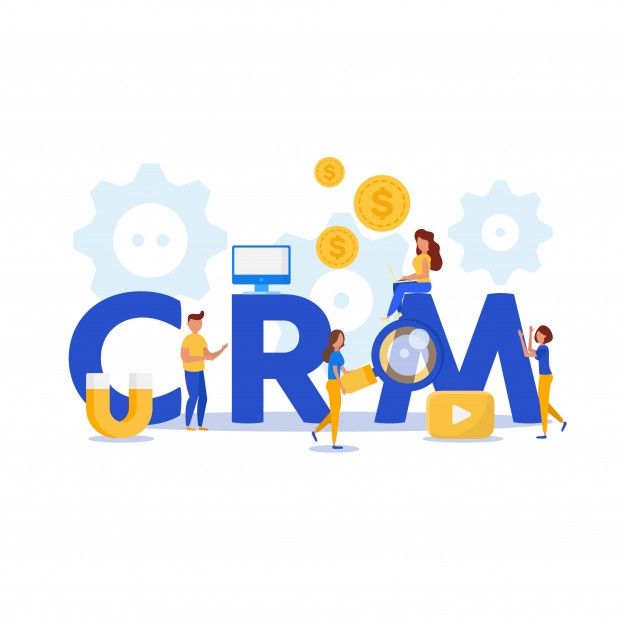
CRM (Customer Relationship Management) software is a digital platform that helps businesses manage interactions with customers, track leads, store contact information, and automate workflows—all in one place.
But it’s more than just a contact book. Modern CRM software provides real-time insights, supports AI-powered sales automation, and integrates with your marketing, support, and communication channels.
CRM = Strategy + Technology + Data → For better Customer Experience & Higher Revenue
How Does CRM Software Work?
Here’s a simple breakdown of how CRM software functions:
- Lead Capture: Captures customer details through website forms, live chat, social media, ads, WhatsApp, etc.
- Customer Profiling: Creates complete customer profiles – name, contact, purchase history, preferences, conversations, etc.
- Sales Funnel Management: Assigns leads to team members and tracks them through sales stages – New → Qualified → Proposal Sent → Deal Closed.
- Automation: Sends follow-up emails, call reminders, task notifications, invoice generation, etc., without manual input.
- Reports & Analytics: Generates dashboards for sales, marketing campaigns, customer lifetime value (CLV), and ROI.
Why CRM Software is a Game-Changer for Every Business
Let’s look at real-world problems CRM solves:
| Problem | Solution by CRM |
| Leads are falling through the cracks | Automated follow-ups, reminders |
| Sales team is unorganized | Centralized task management |
| No visibility on customer behavior | Detailed interaction timeline |
| Marketing ROI is unclear | Email & ad campaign tracking |
| Poor collaboration across teams | Shared customer database |
📌 Result: Higher retention, more conversions, better customer service.
🔍 In-Depth Features of CRM Software (Explained)
Let’s explore the key features in detail:
- Contact & Account Management
- Store unlimited customer contacts
- Link them to organizations, deals, projects
- Add notes, calls, documents, meeting logs
- Lead & Pipeline Management
- Create visual sales pipelines (Kanban style)
- Set priority, lead score, source tracking (AdWords, Facebook, etc.)
- Assign leads to sales reps automatically
- Workflow Automation
- Send welcome emails on signup
- Create tasks when a deal moves to the next stage
- Auto-tag leads based on behavior
- Email & SMS Campaigns
- Create personalized drip campaigns
- Monitor open, click, bounce rates
- Segment customers for targeted messaging
- Reporting & Dashboards
- Track team performance
- Identify top-selling products or services
- Forecast revenue and customer churn
- Mobile CRM
- Update deals from your phone
- Get notifications on the go
- Access offline mode and sync later
- AI & Predictive Analytics (Advanced CRM)
- Get AI recommendations for next-best actions
- Predict win/loss probability
- Auto-suggest lead qualification scores
Types of CRM Software (Based on Functionality)
| Type | Purpose | Best For |
| Operational CRM | Automates sales, marketing, support | Growing sales teams |
| Analytical CRM | Provides deep insights using data | Enterprises & marketing analysts |
| Collaborative CRM | Connects departments & tools | Large or distributed teams |
| Strategic CRM | Long-term relationship management | B2B, service-based companies |
Who Needs CRM and How They Benefit
🔹 Small Business Owner
- Keep track of every inquiry
- Automate follow-up messages
- View all leads in one dashboard
🔹 Digital Marketing Agency
- Segment leads by campaign (SEO, PPC, SMM)
- Run email nurturing workflows
- Report lead performance to clients
🔹 E-Commerce Brand
- Track customer preferences
- Send targeted product suggestions
- Upsell/cross-sell based on behavior
🔹 Freelancer or Consultant
- Store all client communication
- Set automatic reminders for sessions/invoices
- Track billing and proposals
CRM Software & SEO: A Perfect Match
While CRM may seem unrelated to SEO—it indirectly improves your SEO performance:
- Better lead nurturing → Lower bounce rate
- Personalization → Higher engagement
- Email follow-ups → Return traffic
- Automated reviews → Improved local SEO
- Tracking ROI of traffic sources (SEO vs Ads)
🤝 A CRM helps turn SEO traffic into paying customers!
Best CRM Software in 2025 (Comparison Table)
| Tool | Strength | Price | Free Plan? |
| HubSpot CRM | All-in-one, beginner-friendly | Free to ₹4,000/mo | ✅ |
| Zoho CRM | Customizable, Indian pricing | ₹800/mo | ✅ |
| Salesforce | Enterprise-grade CRM | ₹2,400+/mo | ❌ |
| Freshsales | Built for SMBs | ₹999/mo | ✅ |
| Pipedrive | Visual sales pipeline | ₹1,200/mo | ❌ |
| Monday CRM | Combines project + CRM | ₹1,000+/mo | ✅ |
| Kylas CRM | Designed for Indian SMEs | ₹749+/mo | ✅ |
How to Implement CRM in Your Business (Step-by-Step)
- Define Your Goals
Do you want to increase sales? Improve support? Organize contacts? - Choose the Right CRM Tool
Use free trials or demos and compare features. - Import Your Existing Data
Migrate from Excel, Gmail, or previous CRM. - Train Your Team
Ensure everyone understands how to use it efficiently. - Automate Repetitive Tasks
Create rules for email alerts, lead assignment, etc. - Track & Optimize
Use analytics to improve campaign performance and customer retention.
🔐 CRM & Data Security
Security is critical. Reputable CRM tools offer:
- SSL encryption
- Role-based access controls
- GDPR/CCPA compliance
- Regular backups
- Two-factor authentication
Make sure to read the data policies before integrating with your customer database.
Common Myths About CRM Software (Busted)
| Myth | Truth |
| “CRM is only for big companies.” | Even solo freelancers use CRM to manage clients. |
| “CRM is expensive.” | Many tools offer free forever plans. |
| “It’s difficult to use.” | Modern CRMs are easy to use, even for non-techies. |
| “CRM is just for sales.” | It helps in marketing, support, onboarding, and retention too. |
🔁 Alternatives to CRM Software (Not Recommended)
- Google Sheets or Excel (no automation, limited scalability)
- Email clients only (no deal tracking or task assignment)
- Manual follow-ups (high chance of error or missed leads)
✅ Recommendation: Start with a free CRM like HubSpot or Zoho. Upgrade when needed.
📌 Final Thoughts: Is CRM Software Worth It in 2025?
Absolutely.
CRM software is no longer optional—it’s a strategic business tool that helps you build meaningful relationships, drive growth, and outsmart the competition.
If you’re a startup or agency struggling with managing leads or customers — investing in the right CRM will pay off massively.
📎 Bonus: Questions to Ask Before Buying CRM
- Is it cloud-based or desktop?
- Can it integrate with WhatsApp, Gmail, Zoom, etc.?
- Does it allow multi-user access?
- How is the customer support?
- Are there mobile apps?
- Can it scale as your team grows?